
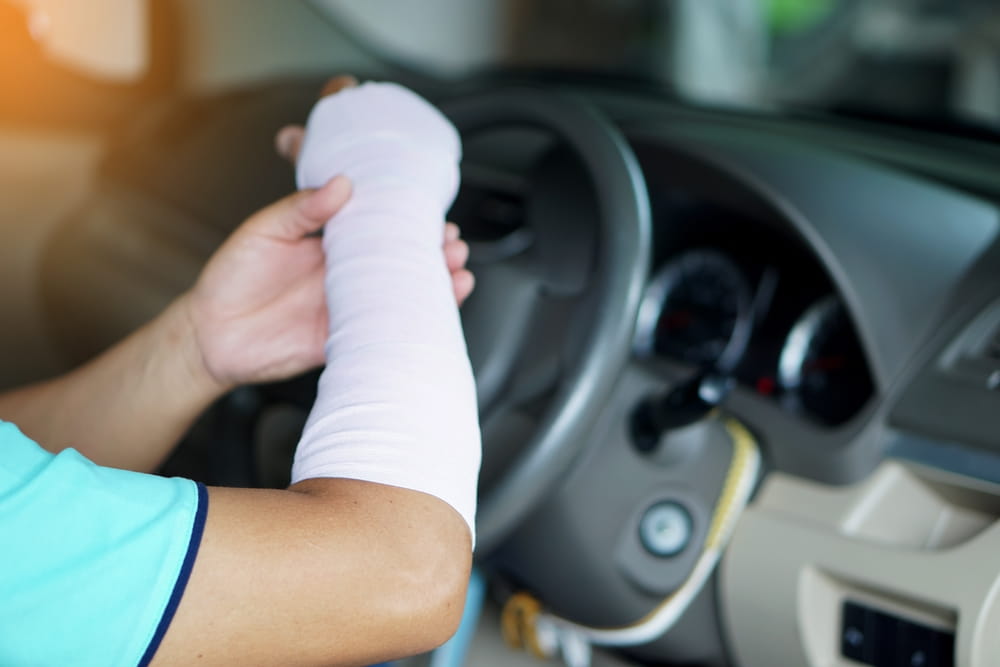
At Full Circle Orthopedics, individuals in Clearwater and Palm Harbor, Florida often seek guidance after experiencing injuries related to auto accidents. Even minor collisions can result in significant musculoskeletal trauma, affecting bones, joints, ligaments, and soft tissues. While some injuries are immediately noticeable, others may take hours or even days to fully present symptoms, making early evaluation important.
Auto accident injuries commonly involve the neck, back, shoulders, hips, and knees. Whiplash, fractures, ligament tears, and joint damage are among the most frequently reported conditions. Without proper care, these injuries can lead to chronic pain, reduced mobility, and long-term complications. Orthopedic care focuses on identifying the full extent of injury and creating a structured plan for recovery.
The Importance of Early Diagnosis
Identifying Hidden Injuries
After an accident, adrenaline can mask pain, making it easy to underestimate the severity of an injury. Orthopedic evaluations often include imaging such as X-rays, MRIs, or CT scans to detect fractures, soft tissue damage, or joint instability that may not be visible during a basic examination. Early diagnosis helps prevent minor injuries from becoming more serious over time.
Prompt evaluation also allows for a more targeted treatment approach. For example, a knee injury sustained during a collision may initially feel like a strain but could involve cartilage damage that requires more specialized care. Learning about procedures such as Joint Replacement can provide insight into how advanced joint issues are addressed when damage is more severe.
Preventing Long-Term Complications
Untreated injuries can lead to chronic inflammation, joint instability, and degeneration. Over time, this can increase the risk of developing conditions like osteoarthritis or persistent pain syndromes. Early orthopedic care helps stabilize the injury, reduce inflammation, and promote proper healing, minimizing the likelihood of long-term complications.
Personalized Treatment Plans for Recovery
Non-Surgical Treatment Options
Many auto accident injuries can be managed without surgery. Orthopedic care often begins with conservative treatments such as physical therapy, medication, bracing, or activity modification. These approaches aim to reduce pain, restore function, and support the body’s natural healing process.
Physical therapy plays a key role in recovery by strengthening muscles, improving flexibility, and restoring range of motion. For example, targeted exercises can help stabilize the knee or shoulder after trauma, reducing strain on the injured joint. These treatments are often tailored to the individual’s specific injury and activity level.
When Surgical Intervention Is Needed
In more severe cases, surgery may be necessary to repair damaged structures or restore joint function. Fractures that do not heal properly, torn ligaments, or significant joint damage may require surgical intervention. Procedures such as Total Knee Replacement or Partial Knee Replacement may be considered when joint damage is extensive and affects long-term mobility.
Surgical care is typically followed by a structured rehabilitation program to ensure proper healing and restore strength. The goal is not only to address the immediate injury but also to support long-term joint health and function.
Restoring Mobility and Function
Rebuilding Strength and Stability
One of the primary goals of orthopedic care after an auto accident is to restore mobility. Injuries can disrupt normal movement patterns, leading to stiffness, weakness, and instability. Rehabilitation focuses on rebuilding strength in the affected area while improving coordination and balance.
For example, a hip or knee injury may alter the way a person walks, placing additional stress on other joints. Through guided therapy and progressive exercises, patients can regain proper movement patterns and reduce the risk of further injury.
Returning to Daily Activities
As recovery progresses, patients gradually return to their normal routines. This may include work, exercise, and recreational activities. Orthopedic care ensures that this transition is safe and gradual, reducing the likelihood of setbacks.
Procedures such as Total Hip Replacement or Total Shoulder Replacement may be part of the recovery journey for individuals with severe joint damage. These interventions can help restore function and allow patients to regain independence.
Key Benefits of Orthopedic Care After Auto Accidents
Orthopedic care provides a structured approach to recovery, addressing both immediate injuries and long-term health. The benefits extend beyond pain relief, supporting overall mobility and quality of life.
- Accurate diagnosis of injuries, including those not immediately visible
- Personalized treatment plans tailored to the specific injury
- Access to both non-surgical and surgical treatment options
- Structured rehabilitation to restore strength and mobility
- Prevention of long-term complications such as chronic pain or joint degeneration
Long-Term Joint Health and Prevention
Avoiding Future Complications
Recovering from an auto accident does not end once pain subsides. Long-term joint health requires ongoing attention, including maintaining strength, flexibility, and proper body mechanics. Orthopedic care often includes education on how to prevent reinjury and protect vulnerable areas.
Lifestyle factors such as maintaining a healthy weight, staying active, and following recommended exercises can significantly impact recovery outcomes. These habits help reduce stress on joints and support overall musculoskeletal health.
Monitoring Progress Over Time
Follow-up care is an important part of the recovery process. Regular evaluations allow healthcare providers to monitor healing, adjust treatment plans, and address any lingering issues. This proactive approach ensures that recovery continues on the right track and helps identify potential concerns early.
Moving Forward After an Auto Accident
Recovering from an auto accident can be a complex process, but orthopedic care provides a clear path forward. By addressing injuries early, creating personalized treatment plans, and supporting long-term recovery, individuals can regain mobility and return to their daily lives with confidence.
At Full Circle Orthopedics, patients in Clearwater and Palm Harbor, Florida can access educational resources that help them better understand their recovery options after an accident. With the right approach, orthopedic care plays a vital role in restoring function, reducing pain, and supporting a full return to an active lifestyle.
Resources
American Academy of Orthopaedic Surgeons. (2021). OrthoInfo: Injuries After Motor Vehicle Collisions. AAOS.
National Institute of Neurological Disorders and Stroke. (2020). Whiplash Information Page. NIH.
Mayo Clinic Staff. (2022). Car Accident Injuries and Treatment. Mayo Clinic.