
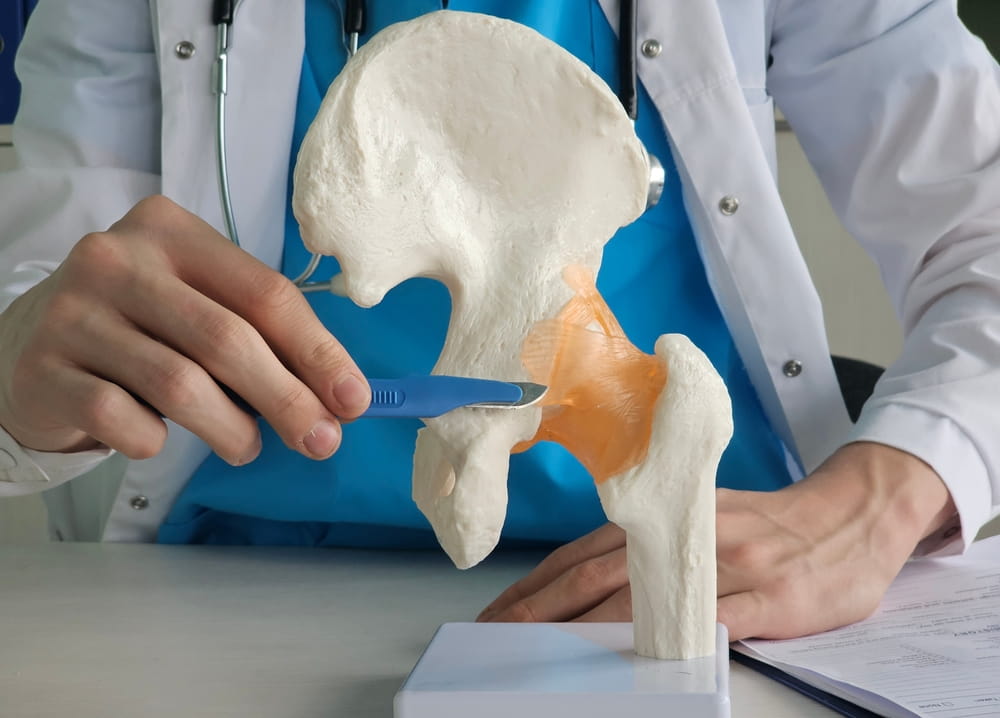
At Full Circle Orthopedics, many patients in Clearwater and Palm Harbor, Florida are curious about how long a joint replacement will last before considering surgery. Joint replacement procedures have become increasingly common and successful, offering long-term relief from pain and improved mobility. One of the most important considerations for patients is the durability of the implant and whether it will support their lifestyle for years to come.
Joint replacements, including those for the knee, hip, and shoulder, are designed to be long-lasting. Advances in materials, surgical techniques, and implant design have significantly improved their longevity. While no joint replacement is considered permanent, many modern implants can function effectively for decades, allowing patients to maintain an active and independent lifestyle.
Average Lifespan of Common Joint Replacements
Knee, Hip, and Shoulder Expectations
The lifespan of a joint replacement depends on several factors, but there are general expectations based on current data. Total knee replacements typically last 15 to 20 years, with many lasting even longer in patients who maintain a healthy lifestyle. Similarly, hip replacements often last 20 years or more, while shoulder replacements can also provide long-term function when properly cared for.
Procedures such as Total Knee Replacement are designed to withstand repeated movement and weight-bearing activities. For patients with less extensive joint damage, Partial Knee Replacement may also offer durable results, although longevity can vary depending on how the joint changes over time.
Improvements in Modern Implants
Earlier generations of joint implants had shorter lifespans due to wear and material limitations. Today, implants are made from advanced materials such as highly cross-linked polyethylene, titanium alloys, and ceramic components. These materials are more resistant to wear, reducing the likelihood of implant failure and extending the overall lifespan of the joint.
Ongoing research continues to refine implant design, making joint replacements more durable and better suited for active individuals. As a result, many patients can expect their joint replacement to last longer than previous generations.
Factors That Influence Longevity
Patient Lifestyle and Activity Level
One of the most significant factors affecting how long a joint replacement lasts is the patient’s activity level. While joint replacements are designed to support movement, high-impact activities such as running or jumping can place additional stress on the implant. Low-impact activities like walking, swimming, and cycling are generally recommended to preserve the integrity of the joint.
Maintaining a healthy weight is also critical. Excess body weight increases the load on weight-bearing joints, particularly the knees and hips, which can accelerate wear over time. Patients who adopt a balanced lifestyle often experience longer-lasting results.
Surgical Technique and Implant Placement
The success and longevity of a joint replacement also depend on the precision of the surgical procedure. Proper alignment and positioning of the implant are essential for even weight distribution and smooth joint movement. Advances in surgical techniques, including minimally invasive approaches and computer-assisted navigation, have improved accuracy and outcomes.
Exploring procedures like Joint Replacement can help patients understand how surgical planning contributes to long-term success.
Signs That a Joint Replacement May Be Wearing Out
Recognizing Changes Over Time
Although joint replacements are durable, they can eventually wear down. Patients may begin to notice symptoms such as increasing pain, stiffness, or reduced range of motion. In some cases, swelling or instability in the joint may also occur. These changes can indicate that the implant is experiencing wear or that surrounding tissues are affected.
Regular follow-up appointments are important for monitoring the condition of the implant. Imaging studies can help detect early signs of wear, allowing for timely intervention if needed.
When Revision Surgery Is Considered
If a joint replacement becomes worn or damaged, revision surgery may be necessary. This procedure involves removing the old implant and replacing it with a new one. While revision surgeries are more complex than initial procedures, advancements in techniques have improved outcomes for patients requiring this type of care.
Procedures such as Total Hip Replacement and Total Shoulder Replacement may also require revision over time, depending on usage and individual factors.
How to Extend the Life of Your Joint Replacement
Daily Habits That Make a Difference
Patients can take several steps to help extend the lifespan of their joint replacement. Staying active with low-impact exercises helps maintain muscle strength and joint stability, which supports the implant. Proper posture and body mechanics also reduce unnecessary strain on the joint.
Following a rehabilitation program after surgery is equally important. Physical therapy helps ensure that the joint heals correctly and functions as intended. Patients who remain consistent with their exercises often experience better long-term outcomes.
Preventing Complications
In addition to maintaining an active lifestyle, preventing complications such as infection is essential. Infections can compromise the integrity of the implant and may require additional treatment. Practicing good overall health habits and addressing medical concerns promptly can help reduce these risks.
Patients should also communicate any changes in joint function to their healthcare provider. Early intervention can prevent minor issues from developing into more significant problems.
What This Means for Active Adults
Planning for the Future
For active adults, the longevity of a joint replacement is an important consideration. Many individuals undergo joint replacement surgery in their 50s or 60s and can expect their implant to last well into later years. With proper care, some may never require a revision procedure.
Understanding the factors that influence implant lifespan allows patients to make informed decisions about their activity levels and lifestyle choices. By balancing activity with joint protection, individuals can enjoy the benefits of their replacement for many years.
Confidence in Modern Joint Replacement
Advancements in orthopedic care have made joint replacement a reliable and effective solution for long-term joint pain. Patients can feel confident knowing that modern implants are designed to support both function and durability. With the right approach, joint replacement can provide lasting relief and improved quality of life.
At Full Circle Orthopedics, individuals in Clearwater and Palm Harbor, Florida can access educational resources to better understand how long joint replacements last and how to maximize their benefits. With proper care and attention, joint replacement surgery offers a long-term solution for maintaining mobility and independence.
Resources
Evans, J. T., Evans, J. P., Walker, R. W., Blom, A. W., Sayers, A., & Whitehouse, M. R. (2019). How long does a knee replacement last? The Lancet.
American Academy of Orthopaedic Surgeons. (2021). Joint Replacement Longevity. AAOS.
National Institute of Arthritis and Musculoskeletal and Skin Diseases. (2020). Joint Replacement Surgery. NIAMS.