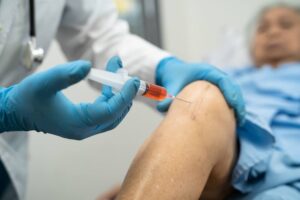

Knee pain can severely impact your daily routine, limiting your mobility and quality of life. At Full Circle Orthopedics, Dr. Robert Donnelly offers highly personalized solutions through advanced knee replacement surgery. Whether you require a total or partial knee replacement, our practice in Clearwater and Palm Harbor, FL, provides expert care in a compassionate, family-style environment. We focus on helping you return to the activities you love with comfort and confidence.
Knee replacement surgery is one of the most effective orthopedic procedures available today. Choosing between total knee replacement (TKR) and partial knee replacement (PKR) can feel overwhelming, but understanding the differences is key to making the best decision for your health and lifestyle. Dr. Donnelly’s single-provider approach ensures you receive dedicated care at every stage of your journey, from consultation to post-operative recovery.
Why Knee Replacement Options Matter to Healthcare Providers and Patients
Orthopedic specialists and healthcare providers consider knee replacement surgeries a cornerstone in restoring joint function and relieving chronic knee pain caused by arthritis, trauma, or degenerative joint disease. Knowing when to recommend total vs. partial replacement is critical. TKR involves replacing the entire knee joint, while PKR focuses on just one damaged compartment. This distinction enables a more tailored surgical plan, depending on the extent of the damage and the patient’s activity level.
For healthcare providers, staying up-to-date on minimally invasive techniques and modern implants can significantly impact patient outcomes. Patient education, careful diagnostic imaging, and individualized treatment planning are essential for long-term joint health. At Full Circle Orthopedics, we take pride in offering both types of surgery, adapting each procedure to the patient’s specific anatomy and condition.
Signs That You May Need Knee Replacement Surgery
If you are experiencing any of the following symptoms, you may be a candidate for knee replacement surgery:
- Persistent pain that interferes with sleep or daily activities
- Stiffness or decreased range of motion in the knee
- Difficulty walking, climbing stairs, or standing for extended periods
- Swelling or inflammation that does not improve with rest or medication
- A feeling that the knee is “giving out” or unstable
- Bone-on-bone grinding or audible popping during movement
- Ineffectiveness of non-surgical treatments such as physical therapy or injections
Understanding the Need for Knee Replacement Surgery
Knee replacement becomes necessary when the joint has been significantly damaged and other treatment methods have failed to provide relief. The most common reason for surgery is osteoarthritis, which wears down the cartilage that cushions the knee bones. Without this cushioning, bones rub together painfully, leading to swelling, stiffness, and loss of mobility. Injuries, autoimmune disorders like rheumatoid arthritis, and avascular necrosis can also lead to progressive joint degeneration.
When conservative treatments no longer provide comfort, and your ability to participate in daily life diminishes, knee replacement surgery may be the most effective solution. Total knee replacement is often recommended when damage affects the entire joint. In contrast, partial knee replacement is ideal when only one compartment of the knee is affected. Both procedures can dramatically improve quality of life by reducing pain and restoring function. Choosing the appropriate surgery ensures the best possible long-term outcome and patient satisfaction.
The Knee Replacement Process: What to Expect at Full Circle Orthopedics
We prioritize a patient-centered approach from the initial consultation to full recovery. Dr. Donnelly ensures you understand every step of the process.
Steps Involved in Knee Replacement Surgery:
- Initial Consultation and Diagnosis: A detailed physical examination, imaging studies (including X-rays and MRIs), and a review of the medical history are performed to assess joint damage and determine whether total or partial replacement is appropriate.
- Pre-Surgical Planning and Education: Once surgery is scheduled, we guide you through pre-operative preparation, which may include lab work, pre-surgical clearance, medication management, and physical therapy to strengthen the leg muscles.
- The Surgical Procedure: On the day of surgery, anesthesia is administered. For TKR, the entire joint surface is replaced with metal and plastic components. In PKR, only the damaged compartment is resurfaced, preserving healthy bone and ligaments.
- Hospital Stay or Outpatient Recovery: Many patients go home the same day or stay one night, depending on the complexity of the surgery and your overall health. Pain is managed with medications and icing protocols.
- Postoperative Physical Therapy and Follow-Up: Rehabilitation begins almost immediately. Guided exercises are critical for restoring range of motion, strength, and balance. Dr. Donnelly monitors progress at regular follow-up appointments.
How to Prevent Knee Degeneration and Delay Surgery
While some knee problems are genetic or injury-related, many degenerative changes can be slowed through proactive care and management. Maintaining a healthy weight reduces stress on the knee joints. Engaging in low-impact exercises, such as swimming, cycling, or walking, helps strengthen the surrounding muscles without overloading the joint. Avoiding repetitive high-impact movements and wearing supportive footwear also protects the knees.
Additionally, early intervention when knee pain begins can delay the need for surgery. Non-surgical treatments, such as physical therapy, cortisone or hyaluronic acid injections, bracing, and anti-inflammatory medications, may provide relief for many patients. Regular check-ups with an orthopedic specialist can help detect and manage problems before they progress to surgical levels.
Positive Long-Term Outlook for Patients Undergoing Knee Replacement
Both total and partial knee replacements have high success rates, providing long-term relief. Most patients experience significant pain reduction and can return to their daily activities, including walking, biking, gardening, and even light sports. Partial knee replacement tends to offer faster recovery times and a more “natural” knee feel, while total knee replacement provides a broader solution for more advanced arthritis or joint damage.
Modern surgical techniques, improved implant materials, and personalized rehabilitation programs have significantly enhanced recovery outcomes. At Full Circle Orthopedics, patients benefit from continuity of care with Dr. Donnelly, who oversees your progress every step of the way. With proper rehabilitation and regular monitoring, many joint replacements last 15 to 20 years or longer.
Frequently Asked Questions About Knee Replacement Surgery
What’s the difference between total and partial knee replacement?
Total knee replacement replaces the entire joint, whereas partial knee replacement targets only the damaged section. The decision depends on the extent of the knee’s involvement.
How long does recovery take after knee replacement surgery?
Most patients recover within 6 to 12 weeks, but full strength and mobility can take up to six months. Recovery times may be shorter for partial replacements.
Am I too young or too old for knee replacement surgery?
There’s no strict age limit, but candidates should have significant joint damage and be healthy enough for surgery. Dr. Donnelly evaluates each case individually.
Will my knee feel normal after surgery?
Most patients report significant pain relief and improved mobility, though the knee may feel different than a natural joint. PKR often preserves a more natural sensation.
How long will my knee replacement last?
With proper care, knee replacements often last 15-20 years or more. Staying active and maintaining a healthy weight can extend the life of the implant.
Restore Your Active Lifestyle with Trusted Orthopedic Care
At Full Circle Orthopedics, we understand that joint pain doesn’t just affect your knees; it impacts your entire life. That’s why we offer advanced total and partial knee replacement procedures in a small, family-style setting where your comfort and recovery are our top priorities. With Dr. Robert Donnelly guiding your care, you’ll benefit from years of specialized expertise and a truly personalized treatment plan.
Whether you’re in Clearwater or Palm Harbor, FL, we’re here to help you get back to doing the things you love. Schedule a consultation today to discuss your knee replacement options and take the first step toward a healthier, more mobile future.