
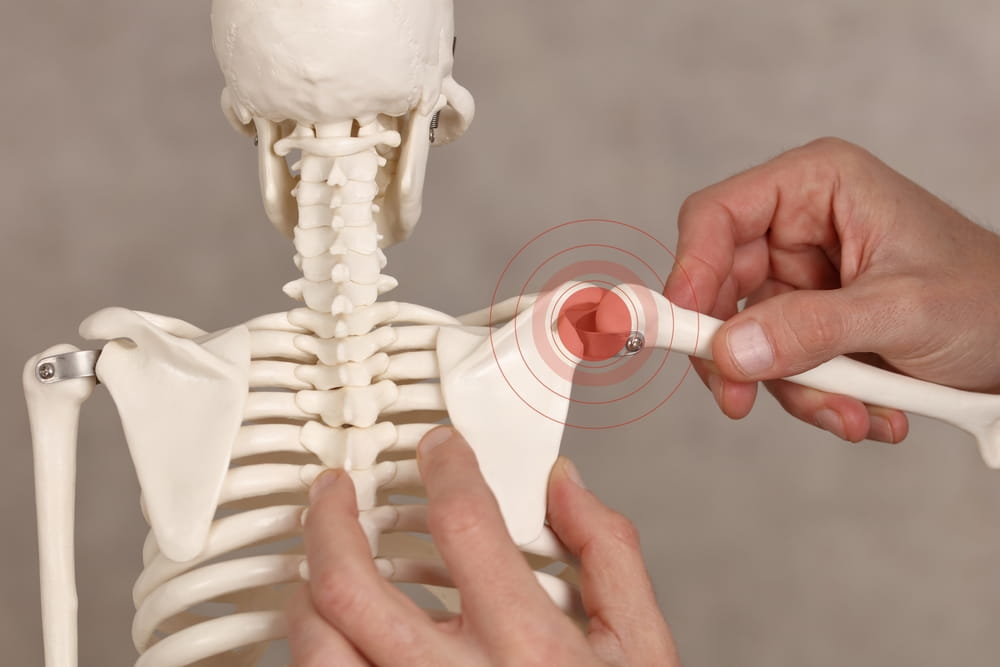
Shoulder pain can interfere with nearly every aspect of daily life, from reaching overhead to getting dressed or sleeping comfortably through the night. While many shoulder conditions improve with rest, physical therapy, medications, or minimally invasive treatments, some patients continue to experience persistent pain and loss of function despite conservative care. Recognizing when symptoms may indicate a more advanced condition is an important step toward receiving appropriate treatment. At Full Circle Orthopedics, patient education helps individuals better understand orthopedic conditions and the range of treatment options that may be considered based on their specific diagnosis.
Shoulder replacement surgery is typically reserved for patients with severe joint damage that significantly affects quality of life. It is not the first treatment recommended for shoulder pain, but it may become an appropriate option when arthritis or other conditions have caused extensive damage that no longer responds to non-surgical care. Understanding the warning signs can help patients know when it is time to seek an orthopedic evaluation.
Understanding Shoulder Joint Damage
The shoulder is one of the body’s most mobile joints, allowing movement in nearly every direction. This flexibility comes from the ball-and-socket design of the joint, where the upper arm bone fits into the shoulder socket. Smooth cartilage covers the ends of the bones, allowing them to glide easily during movement without causing pain.
Over time, this cartilage may wear away due to osteoarthritis, inflammatory arthritis, previous injuries, or other degenerative conditions. As cartilage deteriorates, bones begin rubbing against each other, leading to inflammation, stiffness, and increasing pain. Some patients also develop large bone spurs, deformities, or rotator cuff damage that further limits shoulder function and contributes to chronic discomfort.
Persistent Shoulder Pain That Does Not Improve
One of the most significant signs that shoulder replacement surgery may eventually be considered is ongoing pain that persists despite months of conservative treatment. Many shoulder problems improve with physical therapy, anti-inflammatory medications, corticosteroid injections, or activity modification. However, when these treatments no longer provide meaningful relief, more advanced options may need to be discussed.
Pain associated with advanced shoulder arthritis often becomes constant rather than occurring only during activity. Patients may notice aching throughout the day, increased discomfort during simple movements, or pain that limits their ability to work, exercise, or perform household responsibilities. Chronic pain that continues to worsen despite appropriate treatment deserves evaluation by an orthopedic specialist.
Pain That Disrupts Sleep
Shoulder pain that regularly interrupts sleep is another common indicator of advanced joint disease. Many patients report difficulty lying on the affected side, while others experience aching that awakens them throughout the night regardless of sleeping position.
Poor sleep affects far more than comfort. Ongoing sleep disruption can contribute to fatigue, reduced concentration, mood changes, and slower recovery from daily activities. When shoulder pain consistently interferes with restful sleep despite medications or supportive pillows, it may indicate that the underlying joint damage has progressed significantly.
Loss of Range of Motion
Stiffness is often one of the earliest signs of worsening shoulder arthritis, but severe loss of motion can greatly affect independence. Patients may struggle to raise their arm above shoulder level, reach behind their back, or perform simple tasks such as fastening clothing or combing their hair.
As the joint becomes increasingly damaged, movements that once felt natural become painful or impossible. Some patients gradually adapt by avoiding certain activities altogether, which can lead to further muscle weakness and reduced flexibility. Significant limitations in shoulder mobility should be evaluated to determine the underlying cause and identify appropriate treatment options.
Weakness That Limits Daily Activities
Shoulder weakness may develop as pain discourages normal movement or as surrounding muscles become less effective due to joint deterioration. Everyday activities that once required little effort may become increasingly difficult.
Patients may notice problems with:
- Lifting groceries
- Reaching overhead into cabinets
- Carrying laundry baskets
- Pushing open heavy doors
- Washing or styling their hair
- Participating in sports or hobbies
- Performing work-related tasks
Weakness combined with pain and stiffness often suggests more advanced shoulder joint disease that may require further imaging and orthopedic evaluation.
Arthritis Confirmed Through Imaging
While symptoms provide important clues, imaging studies help physicians understand the extent of joint damage. X-rays often reveal cartilage loss, narrowing of the joint space, bone spurs, deformity, or collapse of the joint surfaces associated with advanced arthritis. MRI or CT scans may be recommended when additional information about the rotator cuff, surrounding soft tissues, or bone quality is needed.
Imaging findings are considered alongside a patient’s symptoms rather than serving as the sole reason for surgery. Some individuals have significant arthritis visible on X-rays but experience minimal pain, while others have severe symptoms that closely match their imaging results. An individualized evaluation helps determine whether shoulder replacement may provide meaningful improvement.
Conservative Treatments No Longer Provide Relief
Orthopedic specialists generally recommend exhausting appropriate non-surgical treatments before considering joint replacement. Depending on the diagnosis, these may include medications, physical therapy, activity modification, corticosteroid injections, and strengthening exercises.
When these approaches no longer control pain or improve function, the conversation may shift toward surgical options. The decision is based on how symptoms affect daily life rather than imaging findings alone. Patients who can no longer perform routine activities or enjoy their normal lifestyle despite comprehensive conservative treatment may be appropriate candidates for shoulder replacement.
Who May Be a Candidate for Shoulder Replacement?
Several conditions may eventually lead to shoulder replacement surgery. Osteoarthritis is the most common cause, particularly in older adults, but other conditions may also result in severe joint damage.
Potential candidates may include patients with advanced osteoarthritis, rheumatoid arthritis, post-traumatic arthritis following fractures or previous injuries, avascular necrosis affecting the upper arm bone, or complex fractures that cannot be reconstructed effectively. Some individuals with severe rotator cuff damage may benefit from reverse shoulder replacement, which is designed differently than traditional shoulder replacement to improve function when the rotator cuff no longer works properly.
What to Expect From Shoulder Replacement Surgery
Shoulder replacement surgery involves replacing damaged portions of the shoulder joint with specially designed implants that restore smoother movement and reduce painful bone-on-bone contact. Depending on the patient’s condition, surgeons may replace the ball portion of the joint, both the ball and socket, or perform a reverse shoulder replacement when rotator cuff function is significantly impaired.
Recovery includes a structured rehabilitation program that gradually restores strength, flexibility, and function. Physical therapy plays an essential role throughout recovery, helping patients safely regain movement while protecting the healing joint. Although recovery timelines vary, many patients experience significant improvements in pain, mobility, and overall quality of life following successful rehabilitation.
When to Schedule an Orthopedic Evaluation
Persistent shoulder pain should never be ignored simply because it develops gradually over time. Early evaluation allows physicians to identify the underlying cause before symptoms become more disabling and helps patients understand all available treatment options.
Individuals experiencing chronic shoulder pain, worsening stiffness, nighttime discomfort, significant weakness, or loss of function should consider scheduling an orthopedic assessment. At Full Circle Orthopedics, educating patients about conditions affecting the musculoskeletal system helps them make informed healthcare decisions with their physicians. Those exploring treatment options for joint conditions may also find valuable information about Total Shoulder Replacement, Joint Replacement, Total Knee Replacement, Partial Knee Replacement, and Total Hip Replacement. Understanding the signs of advanced shoulder disease allows patients to seek timely care and work toward restoring comfort, mobility, and independence.
Resources
American Academy of Orthopaedic Surgeons. (2023). Shoulder Joint Replacement (Shoulder Arthroplasty). https://orthoinfo.aaos.org/
American Shoulder and Elbow Surgeons. (2023). Shoulder Replacement Surgery. https://www.ases-assn.org/
National Institute of Arthritis and Musculoskeletal and Skin Diseases. (2023). Handout on Health: Osteoarthritis. https://www.niams.nih.gov/