
Arthritis is one of the leading causes of chronic joint pain and disability worldwide. While many people associate arthritis with occasional aches and stiffness, the condition can gradually progress to the point where simple activities such as walking, climbing stairs, or getting out of a chair become difficult and painful. Fortunately, advances in orthopedic care have made it possible to manage arthritis through a variety of treatments, with joint replacement becoming an effective option when conservative therapies no longer provide adequate relief. At Full Circle Orthopedics, patients throughout Clearwater and Palm Harbor, Florida, frequently seek information about how arthritis progresses and when joint replacement may become part of a long-term treatment plan.
Understanding the connection between arthritis and joint replacement helps patients recognize symptoms early, explore treatment options, and make informed decisions about their orthopedic health. While surgery is not the first step in managing arthritis, it can significantly improve quality of life for individuals whose joint damage has become severe.
Understanding Arthritis and Its Effects on the Joints
What Happens Inside an Arthritic Joint?
Arthritis is not a single disease but rather a group of conditions that cause inflammation, pain, stiffness, and damage within the joints. The most common form affecting older adults is osteoarthritis, often referred to as “wear-and-tear” arthritis. Other forms, including rheumatoid arthritis and post-traumatic arthritis, can also damage joints over time.
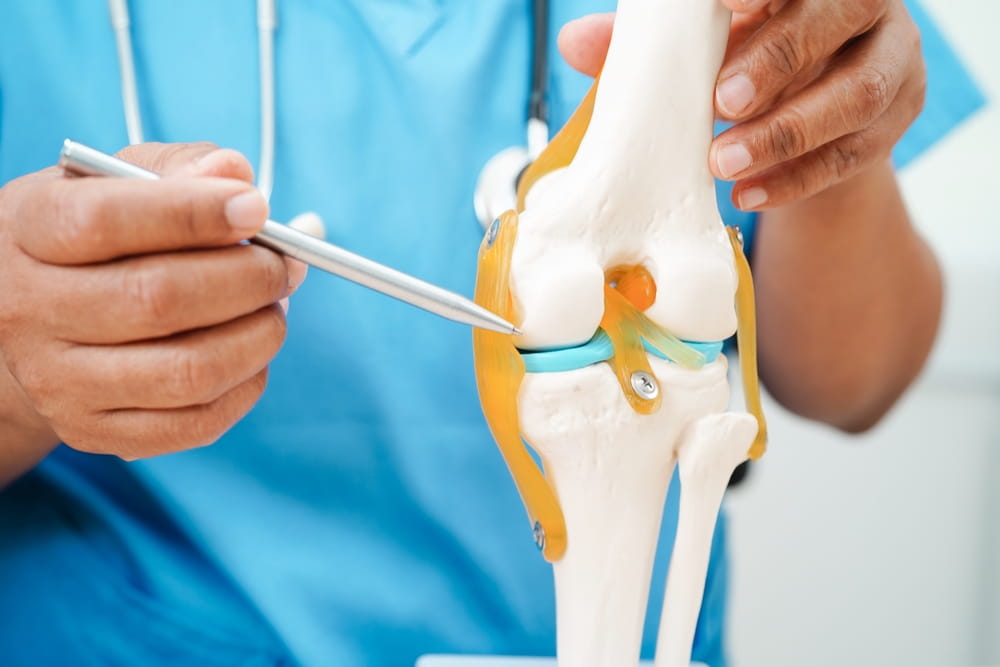
Healthy joints are covered with smooth cartilage that allows bones to glide over one another without friction. Cartilage also acts as a shock absorber during movement. As arthritis progresses, this protective cartilage gradually breaks down. Without sufficient cartilage, bones begin rubbing directly against one another, creating pain, inflammation, swelling, stiffness, and decreased mobility. Over time, the body may also develop bone spurs and other structural changes that further limit joint function.
Common Joints Affected by Arthritis
Weight-Bearing Joints Experience the Greatest Stress
Although arthritis can affect nearly every joint in the body, it most commonly develops in joints that bear significant weight or perform repetitive movements throughout daily life.
The knees are among the most frequently affected joints because they support the body’s weight during walking, climbing stairs, standing, and exercising. The hips are another common location due to their essential role in mobility and balance. Shoulder arthritis may develop after years of repetitive use, previous injuries, or degenerative changes that limit range of motion and create chronic discomfort.
As cartilage continues to deteriorate, these joints become increasingly painful during activities that were once routine. Many individuals gradually reduce their activity levels to avoid discomfort, which can contribute to muscle weakness, decreased flexibility, and further functional decline.
Symptoms That Arthritis Is Progressing
Recognizing Changes Over Time
Arthritis usually develops gradually rather than suddenly. Early symptoms may only appear after strenuous activity, but they often become more persistent as joint damage worsens.
Common signs of progressive arthritis include persistent joint pain, morning stiffness lasting longer than usual, swelling, reduced range of motion, grinding or clicking sensations during movement, joint instability, and increasing difficulty performing everyday activities. Many patients also notice that weather changes, prolonged standing, or extended periods of activity worsen their symptoms.
When arthritis begins interfering with sleep, work responsibilities, recreational activities, or overall independence, it often indicates that the condition has reached a more advanced stage requiring comprehensive evaluation.
Conservative Treatments Before Surgery
Managing Arthritis Without an Operation
Joint replacement is rarely the first treatment recommended for arthritis. Instead, physicians typically begin with conservative approaches designed to reduce pain, improve function, and slow the progression of symptoms.
Non-surgical treatment options may include:
- Physical therapy to strengthen muscles surrounding the joint
- Activity modification to reduce excessive joint stress
- Weight management to decrease pressure on weight-bearing joints
- Anti-inflammatory medications and pain relievers
- Corticosteroid or hyaluronic acid injections
- Assistive devices such as braces or canes
- Low-impact exercise programs including swimming or cycling
Many patients successfully manage arthritis for years using a combination of these treatments. However, arthritis is often progressive, meaning symptoms may eventually worsen despite ongoing conservative care.
How Arthritis Causes Permanent Joint Damage
When Cartilage Cannot Repair Itself
Unlike many other tissues in the body, cartilage has very little ability to heal once it becomes damaged. As arthritis advances, cartilage continues wearing away, leaving exposed bone surfaces that generate increasing pain with movement.
The surrounding joint structures also undergo changes. The lining of the joint may become chronically inflamed, ligaments can lose flexibility, muscles weaken from reduced activity, and bone spurs may develop around the joint margins. Together, these changes contribute to reduced mobility, joint deformity, and increasing functional limitations.
At advanced stages, even simple activities such as walking short distances or standing for several minutes may become challenging. This is often when patients begin discussing surgical treatment options with an orthopedic specialist.
When Joint Replacement Becomes an Option
Determining the Right Time
The decision to undergo joint replacement is based on symptoms rather than age alone. Many patients assume they must wait until pain becomes unbearable before considering surgery, but delaying treatment for too long may prolong unnecessary discomfort and limit mobility.
Joint replacement may be considered when chronic pain persists despite comprehensive conservative treatment, daily activities become increasingly difficult, joint stiffness significantly limits movement, sleep is disrupted by pain, or imaging studies demonstrate advanced joint deterioration.
Depending on the affected joint, patients may benefit from procedures such as Total Knee Replacement, Partial Knee Replacement, Total Hip Replacement, or Total Shoulder Replacement. Learning about available Joint Replacement procedures helps patients better understand which surgical option may be appropriate for their condition.
How Joint Replacement Restores Function
Replacing Damaged Joint Surfaces
Joint replacement surgery removes the damaged cartilage and bone responsible for pain while replacing them with durable prosthetic components designed to recreate smooth joint movement.
Modern implants are engineered to restore alignment, improve stability, and reduce painful bone-on-bone contact. Advances in surgical techniques, anesthesia, pain management, and rehabilitation have significantly improved recovery experiences for many patients.
Following surgery, physical therapy plays a critical role in restoring strength, flexibility, balance, and mobility. Most individuals gradually return to walking, recreational activities, and many aspects of normal daily life with considerably less pain than before surgery.
Living Well With Arthritis Before and After Surgery
Long-Term Joint Health Matters
Even after joint replacement, maintaining healthy habits remains important for preserving overall musculoskeletal health. Regular exercise, maintaining a healthy body weight, strengthening surrounding muscles, and staying physically active all contribute to long-term joint function.
For patients who are not yet candidates for surgery, these same lifestyle habits may help slow arthritis progression while improving mobility and reducing symptoms. Working closely with an orthopedic specialist allows treatment plans to evolve as arthritis changes over time.
Education, early intervention, and consistent management often provide the best opportunity to maintain independence and quality of life throughout every stage of arthritis.
Understanding the Journey From Arthritis to Joint Replacement
Arthritis is a progressive condition that can gradually damage cartilage, limit mobility, and significantly affect daily life. While many people successfully manage symptoms through physical therapy, medications, injections, and lifestyle modifications, advanced arthritis may eventually require joint replacement to restore function and relieve chronic pain. Recognizing the signs of progression allows patients to seek appropriate care before joint damage becomes even more disabling.
Full Circle Orthopedics encourages patients in Clearwater and Palm Harbor, Florida, to learn about arthritis, understand the full range of available treatment options, and work with an orthopedic specialist to develop an individualized care plan. Whether treatment involves conservative therapies or joint replacement surgery, informed decision-making plays an important role in maintaining mobility, reducing pain, and improving long-term quality of life.
Resources
Hunter, D. J., & Bierma-Zeinstra, S. (2019). Osteoarthritis. The Lancet.
Kolasinski, S. L., Neogi, T., Hochberg, M. C., et al. (2020). 2019 American College of Rheumatology/Arthritis Foundation Guideline for the Management of Osteoarthritis of the Hand, Hip, and Knee. Arthritis Care & Research.
American Academy of Orthopaedic Surgeons. (2024). Osteoarthritis of the Knee: Clinical Practice Guidelines.