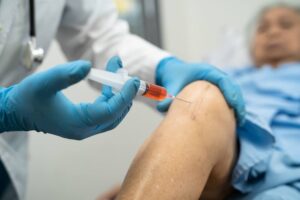
Athletes of all ages and skill levels put their bodies to the test, often resulting in sports-related injuries that require medical attention. At Full Circle Orthopedics, Dr. Robert Donnelly specializes in diagnosing and treating common sports injuries with a customized, conservative-first approach. Whether you’re a weekend warrior, student athlete, or professional competitor, our orthopedic care in Clearwater and Palm Harbor, FL, offers effective solutions to help you heal and return to peak performance.
As a single-provider, family-style orthopedic practice, we take the time to understand each patient’s unique activity level, injury history, and goals. Our comprehensive treatment plans focus on reducing pain, restoring function, and preventing future injuries, so you can return to the activities you love, stronger and safer than before.
Why Addressing Sports Injuries Promptly Is Essential for Providers and Patients
Injuries in sports medicine range from mild strains to complex ligament tears and fractures. If not treated promptly and adequately, even minor sports injuries can lead to chronic pain, joint instability, and long-term limitations in mobility. For healthcare providers, early intervention is crucial to safeguard musculoskeletal health and prevent complications or re-injury.
By offering personalized orthopedic care for sports injuries, practices like Full Circle Orthopedics help patients avoid long-term disability and downtime. Conservative treatments, such as physical therapy, bracing, and guided rehabilitation, are often highly effective in resolving injuries. However, certain cases may require surgical repair to restore full function. Having access to both non-surgical and surgical options under the care of an experienced provider, such as Dr. Donnelly, ensures that patients receive the appropriate treatment at the right time.
Signs and Symptoms of Common Sports Injuries
Sports injuries vary widely in presentation, but recognizing early warning signs can significantly impact outcomes. You should seek orthopedic evaluation if you notice:
- Swelling, bruising, or discoloration around a joint or muscle
- Sharp or throbbing pain during or after physical activity
- Limited range of motion or joint stiffness
- A popping, snapping, or grinding sound at the time of injury
- Instability or inability to bear weight on a limb
- Numbness or tingling in the affected area
- Decreased strength or coordination
Why Specialized Orthopedic Evaluation Is Needed
Sports injuries may seem minor at first, but can quickly escalate without proper evaluation. While rest and over-the-counter pain relief may offer temporary comfort, they do not address underlying issues such as ligament tears, cartilage injuries, or joint misalignments. Many patients make the mistake of pushing through the pain, which can lead to chronic inflammation, instability, or arthritis.
An orthopedic evaluation is essential because it allows for a detailed assessment of the injury and its severity. Diagnostic imaging, physical examination, and medical history give providers a clear picture of what’s happening below the surface. Additionally, each sport places unique demands on the body, and treatment should reflect the athlete’s biomechanics and sport-specific goals. Whether you’re recovering from a sprained ankle or a torn meniscus, a thorough evaluation ensures your care is targeted, timely, and tailored to your lifestyle.
The Sports Injury Treatment Process
Dr. Donnelly offers a structured, step-by-step care process designed to accurately diagnose, treat, and rehabilitate sports injuries within a patient-centered environment.
Phases of Treatment:
- Initial Consultation and Assessment: The process begins with a comprehensive consultation that includes a physical examination, a discussion of symptoms, and a review of the patient’s activity level and sports participation.
- Diagnostic Imaging and Injury Classification: X-rays, MRIs, or ultrasound imaging may be ordered to confirm a diagnosis and determine the extent of damage.
- Conservative Treatment Initiation: For most sports injuries, non-surgical treatment is pursued first. This may include physical therapy, immobilization with a brace or splint, ice/heat therapy, and nonsteroidal anti-inflammatory medications.
- Rehabilitation and Reassessment: As healing progresses, a structured rehab plan is introduced to restore range of motion, strength, and functional mobility. Progress is monitored and adjustments are made as needed.
- Surgical Treatment When Indicated: If an injury does not respond to conservative care or involves severe damage (such as a complete ACL tear), surgical repair is discussed. Dr. Donnelly performs all procedures himself, ensuring consistent care.
- Post-Surgical Recovery and Sport-Specific Return Plan: After surgery, patients begin rehabilitation tailored to their sport and activity goals, with a strong focus on injury prevention strategies and safe return-to-play protocols.
Preventing Sports Injuries Before They Start
While not all injuries are avoidable, many sports-related issues can be prevented through proper preparation, conditioning, and awareness. A consistent warm-up and cool-down routine before and after exercise improves muscle elasticity and circulation, reducing the risk of strain. Strength training and flexibility exercises also enhance joint stability, particularly in areas prone to injury, such as the knees, shoulders, and ankles.
Wearing appropriate footwear and protective gear tailored to the sport is vital, as is ensuring correct technique and body mechanics during both training and competition. Athletes should also listen to their bodies and take rest days seriously to prevent overuse injuries. Hydration and nutrition play a supporting role in muscle recovery and tissue repair, making them essential components of injury prevention. Lastly, working with coaches or sports medicine professionals to modify training programs based on age, skill level, and physical limitations can significantly reduce the risk of injury.
Optimistic Outlook for Athletes With Proper Care
With expert orthopedic care, most sports injuries are highly treatable, often without surgery. Early intervention and guided rehabilitation lead to excellent recovery rates for common conditions, such as sprains, tendonitis, or minor tears. Even in cases where surgery is necessary, athletes can often return to their prior level of function, or better, through structured post-operative care and sport-specific therapy.
At Full Circle Orthopedics, we believe in returning patients to activity, not just quickly, but safely and confidently. By addressing both the physical injury and the underlying biomechanical contributors, we help reduce the likelihood of re-injury and support long-term joint health. Our personalized, one-on-one care approach ensures that each athlete receives the attention and expertise needed for successful recovery and sustained performance.
Frequently Asked Questions About Sports Injuries
What are the most common sports injuries you treat?
We frequently treat ankle sprains, rotator cuff injuries, ACL tears, meniscus injuries, tennis/golfer’s elbow, and overuse conditions like tendonitis.
Can I still play sports with a minor injury?
It depends on the injury and severity. Continuing to play without evaluation can worsen the damage, so it’s best to be assessed before resuming activity.
How long does recovery from a sports injury typically take?
Recovery time varies depending on the injury and treatment method. Some conditions heal within weeks, while surgical cases may require several months of rehabilitation.
Is surgery always required for ligament tears or joint injuries?
Not always. Partial tears and some joint injuries can be managed conservatively with physical therapy and bracing, but complete tears may need surgical repair.
Do you offer sport-specific rehabilitation programs?
Yes, our rehabilitation plans are customized to match your sport’s demands and help you return to competition safely and efficiently.
Get Back in the Game With Full Circle Orthopedics
Whether you’re recovering from a recent sports injury or dealing with chronic joint pain from athletic activity, Full Circle Orthopedics is here to help. Dr. Robert Donnelly provides compassionate, expert care at both our Clearwater and Palm Harbor, FL, locations, guiding you through diagnosis, treatment, and complete recovery. We understand the importance of staying active and are committed to helping you return to your best form, on and off the field.
Our personalized, small-practice setting ensures you receive consistent care from the same provider throughout your treatment. If you’re experiencing pain or limited mobility due to a sports injury, don’t wait. Contact Full Circle Orthopedics today to schedule your evaluation and start your journey to recovery with confidence.