
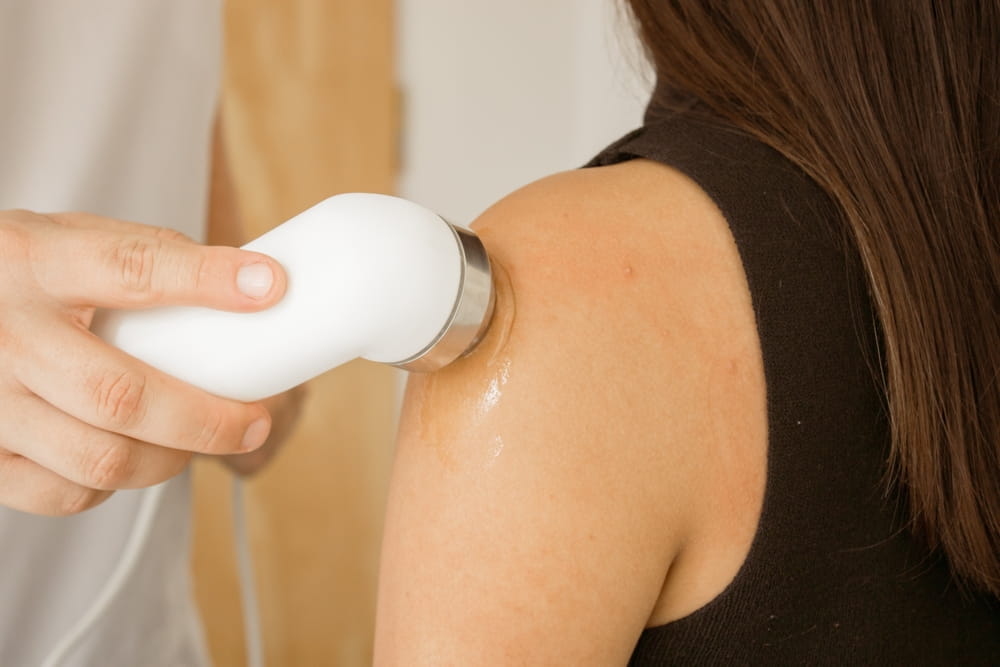
Shoulder pain can make everyday movements—like reaching, lifting, or even sleeping—difficult and uncomfortable. One of the most common causes of persistent shoulder pain is a rotator cuff injury. At Full Circle Orthopedics, patients in Clearwater and Palm Harbor, Florida often seek to better understand this condition and what treatment options may be available to restore function and relieve discomfort.
The rotator cuff is a group of muscles and tendons that stabilize the shoulder joint and allow for a wide range of motion. When these tissues become irritated, strained, or torn, it can lead to significant pain and weakness. Understanding the symptoms and treatment pathways can help patients recognize when to seek care and what to expect during recovery.
Understanding the Rotator Cuff and How Injuries Occur
The rotator cuff consists of four muscles and their associated tendons that surround the shoulder joint. These structures work together to keep the head of the upper arm bone securely within the shoulder socket while allowing smooth, controlled movement. Because the shoulder is one of the most mobile joints in the body, it is also more vulnerable to injury.
Rotator cuff injuries can develop gradually over time due to repetitive use or aging, or they may occur suddenly from trauma, such as a fall or lifting a heavy object. Athletes, manual laborers, and individuals who frequently perform overhead motions are at higher risk. Degenerative changes in the tendons can also contribute to tears, especially in older adults.
Common Symptoms of Rotator Cuff Injuries
The symptoms of a rotator cuff injury can vary depending on the severity of the damage. Some individuals experience mild discomfort that gradually worsens, while others may have sudden and intense pain following an injury.
Common signs to watch for include:
- Persistent shoulder pain, especially when lifting or lowering the arm
- Weakness in the shoulder or difficulty performing everyday tasks
- Limited range of motion or stiffness
- Pain that worsens at night or disrupts sleep
- A clicking or popping sensation during movement
Recognizing these symptoms early can help prevent the condition from worsening and allow for more effective treatment.
Diagnosing Rotator Cuff Injuries
Diagnosing a rotator cuff injury typically involves a combination of physical examination and imaging studies. A healthcare provider may assess strength, range of motion, and areas of tenderness in the shoulder. Specific movements may be used to identify which tendon or muscle is affected.
Imaging tests such as X-rays, ultrasound, or MRI scans can provide a clearer picture of the injury. These tools help determine whether the damage involves inflammation, partial tearing, or a complete tear. Accurate diagnosis is essential for developing an appropriate treatment plan tailored to the patient’s needs.
Non-Surgical Treatment Options
Many rotator cuff injuries can be managed without surgery, particularly when the damage is mild to moderate. Conservative treatments aim to reduce pain, improve function, and allow the tissues to heal.
Rest and activity modification are often the first steps, helping to prevent further strain on the shoulder. Physical therapy plays a key role in strengthening the surrounding muscles and restoring mobility. Anti-inflammatory medications may be used to reduce pain and swelling. In some cases, injections may be considered to provide additional relief.
Consistency with these treatments is important, as gradual improvement often occurs over time. Patients who follow their rehabilitation plan closely may experience significant recovery without the need for surgical intervention.
When Surgery May Be Necessary
Surgical treatment may be recommended when non-surgical methods do not provide sufficient relief or when the injury is more severe. Large or complete tears, significant weakness, or persistent pain that interferes with daily activities may indicate the need for surgical repair.
Rotator cuff surgery is often performed using minimally invasive techniques, such as arthroscopy. This approach allows surgeons to repair damaged tendons through small incisions, reducing recovery time compared to traditional open surgery. The goal of surgery is to restore the integrity of the rotator cuff and improve shoulder function.
Recovery after surgery involves a structured rehabilitation program. Patients typically begin with limited movement and gradually progress to strengthening exercises under professional guidance.
Recovery and Rehabilitation Process
Whether treated surgically or non-surgically, recovery from a rotator cuff injury requires patience and commitment. Healing times can vary, but most patients experience gradual improvement over several weeks to months.
Physical therapy is a cornerstone of recovery, focusing on restoring strength, flexibility, and coordination. Early stages may involve gentle movements to prevent stiffness, while later phases emphasize strengthening the shoulder muscles. Adhering to the prescribed rehabilitation plan is essential for achieving optimal results.
Patients are often encouraged to avoid activities that place excessive strain on the shoulder during recovery. Over time, as strength and stability improve, individuals can return to their normal routines with greater confidence.
Preventing Future Shoulder Injuries
Preventing rotator cuff injuries involves maintaining shoulder strength and flexibility while avoiding excessive strain. Regular exercise, proper lifting techniques, and attention to posture can all help reduce the risk of injury.
For individuals who participate in sports or repetitive activities, incorporating warm-up exercises and stretching can protect the shoulder joint. Listening to the body and addressing minor discomfort early can also prevent more serious issues from developing.
Maintaining overall joint health is key to long-term function and mobility. By taking proactive steps, patients can reduce the likelihood of future injuries and preserve shoulder strength.
Taking the Next Step Toward Shoulder Health
Rotator cuff injuries can significantly impact quality of life, but with proper understanding and care, many patients achieve successful outcomes. From recognizing early symptoms to exploring treatment options, being informed allows individuals to make confident decisions about their health. At Full Circle Orthopedics, patients in Clearwater and Palm Harbor, Florida often use this knowledge to better understand shoulder conditions and take meaningful steps toward recovery and improved mobility.
Resources
Seida, J. C., et al. (2010). Systematic Review: Nonoperative and Operative Treatments for Rotator Cuff Tears. Annals of Internal Medicine.
Yamamoto, A., et al. (2010). Prevalence and Risk Factors of Rotator Cuff Tears. Journal of Shoulder and Elbow Surgery.
Kuhn, J. E. (2009). Exercise in the Treatment of Rotator Cuff Impairment. Journal of Shoulder and Elbow Surgery.