
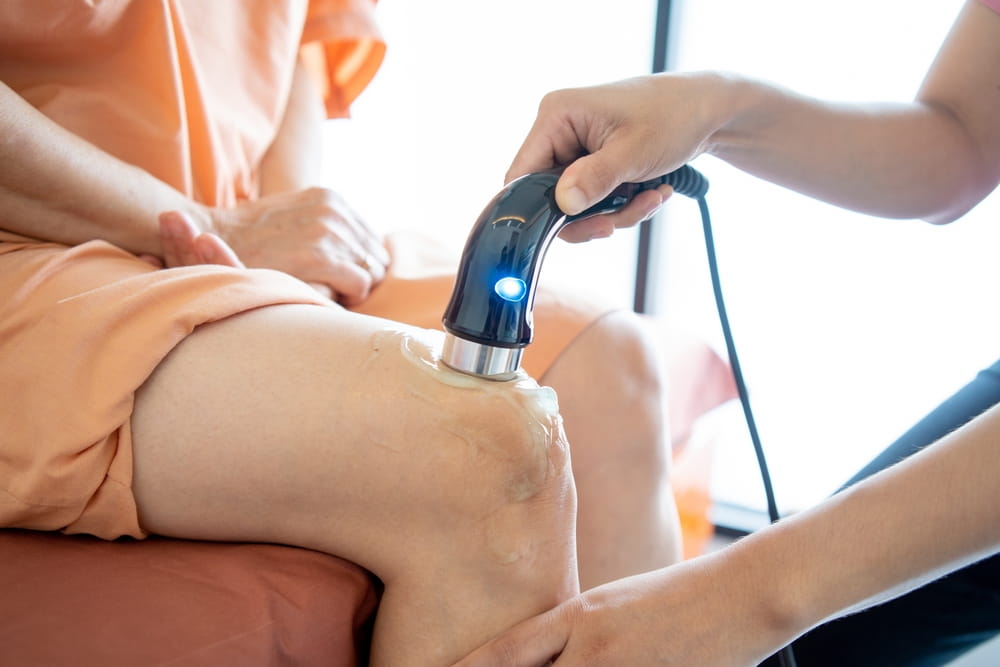
Knee pain is one of the most common musculoskeletal concerns affecting adults of all ages. Whether it develops from arthritis, sports injuries, overuse, or age-related wear and tear, persistent knee discomfort can interfere with walking, exercising, working, and performing everyday activities. Many people assume that surgery is the only solution for chronic knee pain, but that is not always the case. Numerous conservative treatments can help reduce discomfort, improve function, and delay or even eliminate the need for surgical intervention. At Full Circle Orthopedics, patients throughout Clearwater and Palm Harbor, Florida, often seek information about effective ways to manage knee pain before considering more invasive procedures.
Understanding the available non-surgical treatment options allows patients to make informed decisions about their orthopedic care. In many cases, a personalized combination of therapies produces better long-term results than relying on a single treatment alone. The goal is not simply to reduce pain but also to restore strength, improve mobility, protect the joint, and help patients return to the activities they enjoy.
Understanding the Causes of Knee Pain
Why Knee Pain Develops
The knee is a complex joint made up of bones, cartilage, ligaments, tendons, muscles, and other supporting structures that work together to provide stability and movement. Because the knee supports much of the body’s weight while walking, climbing stairs, running, and bending, it experiences significant stress throughout life.
Several conditions commonly contribute to knee pain, including osteoarthritis, rheumatoid arthritis, meniscus tears, ligament injuries, tendonitis, bursitis, cartilage damage, and repetitive overuse injuries. Some people develop symptoms gradually over many years, while others experience sudden pain following trauma or athletic activity. Identifying the underlying cause is an important first step because different conditions often respond better to specific treatment approaches.
Physical Therapy: Building Strength and Stability
Restoring Healthy Movement
Physical therapy is frequently considered one of the most effective first-line treatments for chronic knee pain. Rather than simply masking symptoms, physical therapy addresses the mechanical issues contributing to discomfort. Weak muscles, poor flexibility, altered walking patterns, and joint instability can all increase stress on the knee over time.
A structured rehabilitation program typically includes exercises designed to strengthen the quadriceps, hamstrings, gluteal muscles, and core. Improved muscle support reduces pressure on the knee joint while enhancing balance and overall movement quality. Stretching exercises also improve flexibility, helping patients move more comfortably while reducing stiffness.
Physical therapists often teach patients proper body mechanics for daily activities such as climbing stairs, lifting objects, sitting, and standing. These movement modifications help decrease unnecessary strain on the knee while preventing additional injury. Consistency with home exercise programs remains one of the biggest factors influencing long-term success.
Lifestyle Changes That Support Knee Health
Small Adjustments That Make a Big Difference
Lifestyle modifications can significantly improve knee pain, particularly for individuals with osteoarthritis or chronic overuse injuries. Although these changes may seem simple, they often have a meaningful impact on long-term joint health.
Helpful lifestyle strategies include:
- Maintaining a healthy body weight to reduce pressure on the knees
- Participating in low-impact exercises such as swimming or cycling
- Wearing supportive footwear
- Avoiding repetitive high-impact activities during painful flare-ups
- Incorporating flexibility and balance exercises into daily routines
- Remaining physically active rather than avoiding movement completely
Each additional pound of body weight places several pounds of force across the knee joint during walking. Even modest weight loss may substantially decrease joint stress and improve mobility. Regular movement also helps nourish cartilage, strengthen surrounding muscles, and maintain joint flexibility.
Medications for Pain Management
Reducing Pain and Inflammation
Many patients benefit from medications as part of a comprehensive treatment plan. Over-the-counter anti-inflammatory medications and pain relievers may reduce inflammation and provide temporary symptom relief during flare-ups. Topical anti-inflammatory creams and gels can also offer localized relief while limiting systemic medication exposure.
For some individuals, physicians may recommend prescription anti-inflammatory medications depending on overall health, medical history, and symptom severity. Since long-term medication use carries potential risks, these treatments are generally combined with strengthening exercises, activity modification, and other conservative therapies rather than serving as a permanent solution.
Patients should always discuss medication options with their healthcare provider to ensure they are appropriate based on existing medical conditions and other medications they may already be taking.
Injection Therapies for Knee Pain
Targeted Relief Without Surgery
Injection therapies may be recommended when physical therapy and medications alone do not adequately control symptoms. Different injections serve different purposes depending on the underlying condition.
Corticosteroid injections are commonly used to reduce inflammation associated with arthritis and other inflammatory conditions. Many patients experience temporary pain relief lasting several weeks or months, allowing them to participate more comfortably in rehabilitation exercises.
Viscosupplementation involves injecting hyaluronic acid into the knee joint to improve lubrication and cushioning. While results vary among patients, some individuals with mild to moderate osteoarthritis report improved comfort and mobility following treatment.
Regenerative medicine techniques, including platelet-rich plasma (PRP) injections, continue to be studied for certain orthopedic conditions. These treatments aim to support the body’s natural healing response, although research continues to evaluate their effectiveness for various knee disorders.
Bracing and Supportive Devices
Improving Joint Stability
Knee braces can provide additional stability for certain injuries and degenerative conditions. Depending on the diagnosis, braces may help reduce abnormal joint movement, unload pressure from damaged portions of the knee, or improve overall confidence during walking and physical activity.
Orthotic shoe inserts may also improve alignment throughout the lower extremity. Because the hips, knees, ankles, and feet work together during movement, correcting biomechanical issues elsewhere in the leg may reduce stress placed on the knee joint.
Assistive devices such as canes or walking poles may be appropriate during periods of increased pain, particularly for older adults. Using these devices temporarily can reduce joint loading while allowing patients to remain active during recovery.
Activity Modification and Long-Term Joint Protection
Staying Active Without Making Pain Worse
One of the biggest misconceptions surrounding knee pain is that complete rest is beneficial. While short periods of rest may help during acute injuries, prolonged inactivity often leads to muscle weakness, stiffness, and worsening function.
Instead, physicians generally encourage patients to modify activities rather than eliminate them altogether. Replacing high-impact exercises like running with lower-impact options such as swimming, elliptical training, rowing, or cycling allows individuals to maintain cardiovascular fitness while minimizing stress on the knee.
Patients should also learn to recognize warning signs that indicate activity needs adjustment. Persistent swelling, increasing pain that lasts beyond exercise, or joint instability may suggest that modifications are necessary until symptoms improve.
When Conservative Treatment May No Longer Be Enough
Knowing When to Consider Surgery
Although many individuals successfully manage knee pain with conservative treatment, surgery may become appropriate when symptoms continue despite comprehensive non-surgical care. Persistent pain, progressive joint damage, severe arthritis, significant instability, or substantial limitations in daily function may indicate that surgical evaluation is warranted.
For patients whose arthritis has progressed significantly, procedures such as Partial Knee Replacement or Total Knee Replacement may restore function and relieve chronic pain when conservative measures are no longer effective. Understanding the differences between these procedures, including comprehensive information about Joint Replacement, can help patients make informed decisions if surgery eventually becomes necessary. An orthopedic specialist evaluates imaging studies, physical examination findings, symptom severity, and overall health before recommending any surgical intervention.
Early evaluation often provides the greatest opportunity to successfully manage knee pain without surgery. Addressing symptoms promptly may prevent further joint deterioration and expand the number of available treatment options.
Finding the Right Treatment Plan
There is no universal solution for knee pain because every patient’s condition, activity level, health history, and treatment goals are unique. Successful management typically involves a personalized combination of physical therapy, exercise, lifestyle modifications, medications, injections, and supportive devices tailored to the individual’s specific diagnosis. Regular follow-up with an orthopedic specialist helps monitor progress and adjust treatment strategies as symptoms evolve.
For individuals experiencing persistent knee discomfort, obtaining an accurate diagnosis is the foundation of effective treatment. Full Circle Orthopedics encourages patients in Clearwater and Palm Harbor, Florida, to learn about both conservative and surgical treatment options so they can make informed decisions about protecting their joint health, maintaining mobility, and improving their overall quality of life.
Resources
Kolasinski, S. L., Neogi, T., Hochberg, M. C., et al. (2020). 2019 American College of Rheumatology/Arthritis Foundation Guideline for the Management of Osteoarthritis of the Hand, Hip, and Knee. Arthritis Care & Research.
Bannuru, R. R., Osani, M. C., Vaysbrot, E. E., et al. (2019). OARSI Guidelines for the Non-Surgical Management of Knee, Hip, and Polyarticular Osteoarthritis. Osteoarthritis and Cartilage.
Hunter, D. J., & Bierma-Zeinstra, S. (2019). Osteoarthritis. The Lancet.