Joint pain can be debilitating, limiting your ability to move freely and enjoy everyday life. At Full Circle Orthopedics, we offer Platelet-Rich Plasma (PRP) therapy, a regenerative treatment that harnesses your body’s healing power to alleviate pain and promote tissue repair. Under the care of Dr. Robert Donnelly, patients in Clearwater and Palm Harbor, FL, receive PRP injections in a comfortable, family-style setting, with personalized attention from start to finish.
PRP therapy has gained popularity in orthopedic care due to its non-surgical nature and promising results in reducing inflammation and accelerating tissue healing. Whether you’re suffering from arthritis, a sports injury, or chronic joint pain, PRP therapy offers a safe and effective alternative to more invasive procedures.
Why PRP Therapy Is Gaining Ground in Modern Orthopedic Care
For healthcare providers, PRP therapy represents a cutting-edge advancement in regenerative medicine. Unlike corticosteroid injections, which temporarily reduce inflammation, PRP uses your body’s natural growth factors to repair damaged tissues at the cellular level. This makes PRP an ideal treatment for patients seeking long-term joint pain relief without surgery or medication dependence.
Orthopedic professionals are turning to PRP therapy to help patients delay or even avoid joint replacement surgery. It is also an excellent option for those who haven’t responded well to physical therapy or traditional injections. At Full Circle Orthopedics, our single-provider approach ensures that each PRP treatment is carefully designed for your unique condition, using advanced techniques and high-quality platelet concentration for optimal results.
Common Joint Pain Symptoms That May Benefit from PRP
You may be a candidate for PRP therapy if you experience the following joint-related symptoms:
- Chronic stiffness in the knee, shoulder, hip, or ankle
- Joint pain that worsens with activity
- Reduced range of motion in a specific joint
- Swelling or tenderness in the joint area
- A sensation of instability or weakness
- Pain from past injuries or overuse
- Limited improvement from physical therapy or medications
Why PRP Therapy May Be the Right Choice for Your Joint Pain
Joint pain can result from aging, injury, arthritis, or overuse. For many individuals, these conditions develop gradually, eventually interfering with work, exercise, and daily tasks. Traditional treatments like pain relievers or steroid injections may offer temporary relief but don’t address the underlying damage. That’s where PRP therapy excels—it promotes true healing from within.
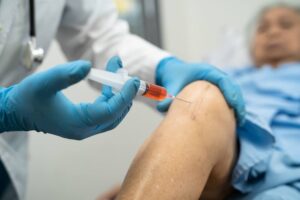
The process involves drawing a small amount of your blood, concentrating the platelets, and injecting them directly into the affected joint. These platelets are rich in growth factors that stimulate tissue repair, reduce inflammation, and encourage the production of healthy new cells. PRP is particularly effective in treating mild to moderate osteoarthritis, ligament strains, and tendon injuries. For patients seeking a more natural, low-risk solution, PRP offers hope without the downtime of surgery.
The PRP Treatment Experience: Step-by-Step Overview
Patients at Full Circle Orthopedics can expect a seamless, supportive process that prioritizes safety and comfort at every stage.
Steps Involved in PRP Therapy:
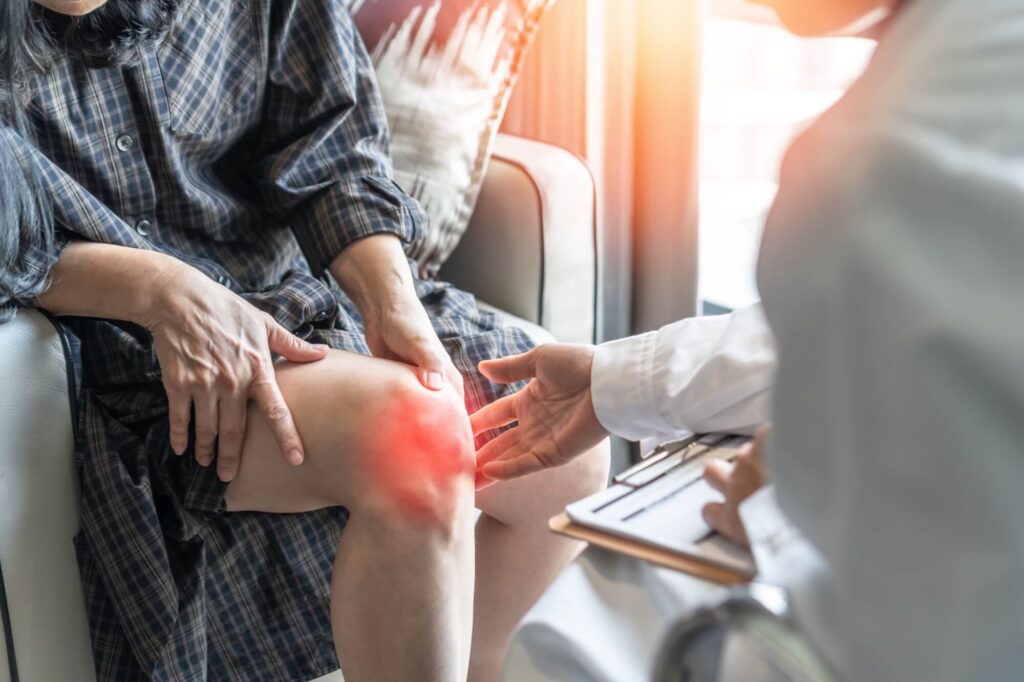
- Initial Evaluation and Diagnosis: Dr. Donnelly conducts a thorough orthopedic examination, reviews your symptoms and history, and may order imaging (like X-rays or MRIs) to confirm PRP is appropriate for your condition.
- Blood Collection and Platelet Concentration: A small blood sample is drawn from your arm. This sample is processed in a centrifuge to isolate and concentrate the platelet-rich plasma, which contains the healing components.
- Targeted PRP Injection: The PRP is carefully injected into the injured or painful joint using ultrasound guidance for precision. The procedure takes less than an hour and is performed in-office.
- Post-Treatment Recovery Guidance: Patients are advised to rest the joint for a few days and avoid strenuous activity. Dr. Donnelly may recommend follow-up exercises or additional injections depending on your response.
- Ongoing Monitoring and Outcome Tracking: Over the following weeks, you’ll return for follow-ups to evaluate pain relief, mobility improvements, and determine if further treatment is needed.
How to Prevent Further Damage
Preventing joint deterioration involves consistent effort and healthy lifestyle choices. Maintaining a healthy weight is crucial, as excess weight places additional stress on weight-bearing joints, such as the knees and hips. Incorporating low-impact exercises such as swimming, cycling, and yoga can strengthen surrounding muscles and support joint function without causing strain. Maintaining good posture, utilizing ergonomic work setups, and wearing appropriate footwear can also help reduce joint stress during daily activities.
Staying hydrated, eating a balanced diet rich in anti-inflammatory foods, and avoiding repetitive high-impact activities can help preserve joint health over time. Regular visits to an orthopedic specialist, especially if you’ve had joint injuries or experience recurring pain, ensure that any early signs of deterioration are caught and managed promptly. These habits, paired with regenerative treatments like PRP, form a strong defense against long-term joint issues.
What to Expect After PRP Therapy
Most patients report noticeable improvements within a few weeks of their PRP treatment. Pain levels decrease, mobility improves, and the joint often feels more stable and responsive. Because the treatment works gradually as tissue regeneration occurs, peak results are usually observed between 4 and 12 weeks post-injection. In some cases, multiple treatments may be recommended to achieve optimal relief.
Unlike surgery, there’s no lengthy downtime or hospital stay with PRP. Many patients resume light activity on the same day and return to their regular routines within a few days. Those with arthritis may find they can delay joint replacement surgery or reduce their reliance on pain medications. As each patient responds differently, Dr. Donnelly closely monitors your progress to ensure the treatment plan evolves with your needs. PRP offers a powerful combination of safety, efficiency, and regenerative healing that suits many patients looking for a long-term solution to chronic joint pain.
Frequently Asked Questions About PRP Therapy
Is PRP therapy painful?
Discomfort is minimal, similar to a standard injection. You may experience mild soreness afterward, but it typically resolves within 48 hours.
How many PRP treatments will I need?
Many patients find relief after one treatment, but some may benefit from two or three sessions. This depends on the severity of the joint damage and your response to therapy.
Is PRP therapy covered by insurance?
Currently, most insurance providers do not cover PRP therapy. However, we offer affordable self-pay options and will walk you through cost estimates during your consultation.
Can PRP treat all types of joint pain?
PRP is most effective for mild to moderate arthritis, tendon injuries, and chronic inflammation. It may not be as effective for severe bone-on-bone arthritis or advanced joint degeneration.
What are the risks of PRP therapy?
Because PRP is derived from your blood, the risk of allergic reaction or infection is extremely low. Minor swelling or bruising at the injection site may occur temporarily.
A Regenerative Approach to Personalized Joint Relief
At Full Circle Orthopedics, we believe your body has the power to heal; sometimes it just needs a little help. PRP therapy is one of the most promising advancements in non-surgical joint care, and Dr. Robert Donnelly brings years of expertise to ensure that every patient receives the attention, education, and follow-up they deserve. In our small, family-style practice, you won’t be rushed or passed between providers. You’ll receive direct care from a physician who truly understands your needs.
If joint pain is limiting your lifestyle and you’re seeking a natural, minimally invasive treatment option, PRP therapy could be the solution. Contact Full Circle Orthopedics in Clearwater or Palm Harbor today to schedule your consultation and take the first step toward long-term joint health and pain relief.