
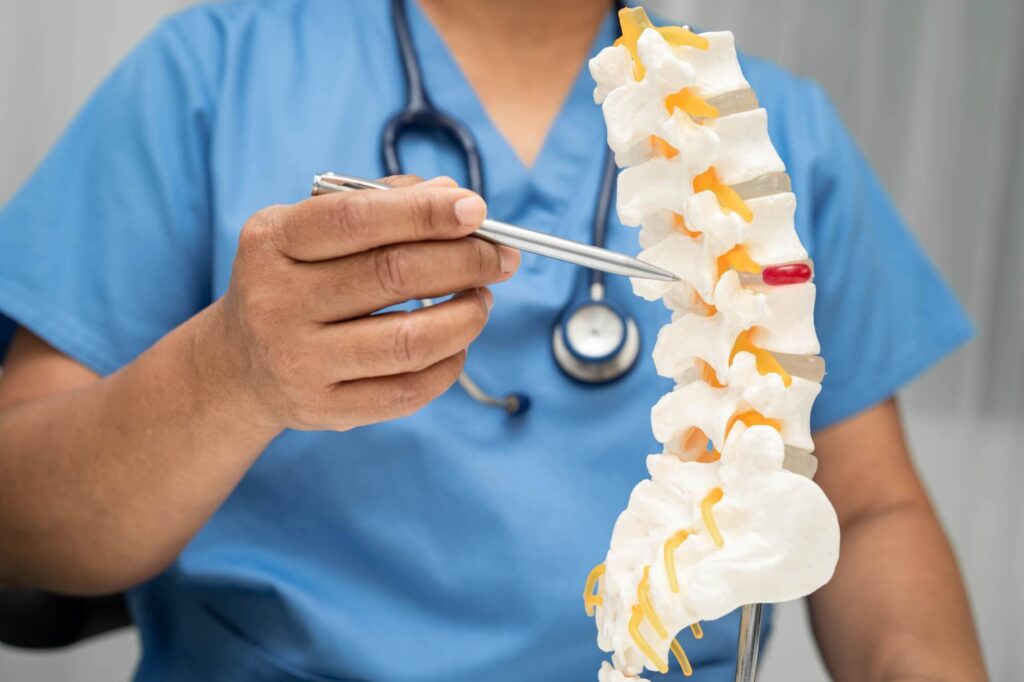
Orthopedic pain and dysfunction can be life-altering, but the right treatment path can restore comfort, function, and quality of life. At Full Circle Orthopedics, Dr. Robert Donnelly provides a balanced approach to musculoskeletal care, offering both conservative, non-surgical treatments and advanced surgical solutions tailored to each patient’s unique condition. With practices located in both Clearwater and Palm Harbor, FL, our family-style, single-provider environment prioritizes personalized attention and continuity of care.
Determining whether conservative management or surgery is the better option depends on a range of factors, including the nature of the injury, its severity, the patient’s goals, and the long-term health of the joint. Our goal is to empower patients to make informed decisions by educating them on all available options so that they can move forward with confidence and clarity.
Why a Balanced Treatment Approach Matters in Orthopedics
For healthcare providers, adopting a stepwise approach that starts with conservative care whenever possible allows patients to avoid unnecessary procedures and recover with minimal risk. However, it’s equally important to recognize when surgery becomes a more effective or necessary solution for restoring full function. A provider like Dr. Donnelly, who offers both conservative and surgical treatments, can provide an unbiased and clinically sound recommendation.
Conservative care helps manage conditions like early-stage arthritis, tendonitis, bursitis, and mild cartilage damage. It is often used as a first-line defense to manage pain and inflammation while promoting natural healing. However, when these methods no longer provide relief, or when there’s structural damage such as a torn ligament or bone deformity, surgery may become the best route. Having a provider who understands both ends of the treatment spectrum ensures a more comprehensive and flexible approach to patient care.
Symptoms That May Lead to Conservative or Surgical Care
Whether conservative or surgical, treatment begins with recognizing symptoms that require orthopedic attention. You may benefit from evaluation at Full Circle Orthopedics if you’re experiencing any of the following:
- Persistent joint pain or swelling lasting more than a few weeks
- Decreased range of motion or stiffness that affects daily activities
- Sharp, sudden joint pain during movement or activity
- Difficulty bearing weight or instability in the limb
- Pain that interferes with sleep or daily function
- Previous injury that hasn’t improved with time or rest
- Recurrent pain or weakness in a previously treated joint
Why This Comparison Is Necessary for Your Orthopedic Health
Understanding the distinction between conservative treatment and surgical intervention is crucial for maintaining long-term musculoskeletal health. Conservative care—such as physical therapy, medications, braces, or injections—can resolve or significantly improve many orthopedic conditions without the need for surgery. This approach is especially valuable for patients with early or mild conditions or for those looking to delay surgery for personal or medical reasons.
However, not every injury or degenerative condition will respond to conservative care alone. For example, a complete ACL tear, severe osteoarthritis, or advanced rotator cuff damage may not improve without surgical correction. Prolonged conservative treatment in these cases may lead to worsening damage or loss of function. That’s why it’s important to have access to a provider like Dr. Donnelly, who has the experience to assess your condition and guide you toward the most effective solution.
This balanced, case-by-case approach ensures that patients don’t undergo surgery prematurely, but also don’t delay it when it becomes necessary for a better quality of life.
Navigating the Treatment Process
At Full Circle Orthopedics, we prioritize a conservative-first approach when clinically appropriate, while also providing advanced surgical care for conditions that warrant it.
Steps in the Evaluation and Treatment Process:
- Initial Consultation and Assessment: We begin with a detailed review of your medical history, a comprehensive physical examination, and a discussion about your lifestyle, goals, and previous treatments.
- Diagnostic Imaging and Testing: If necessary, we’ll order X-rays, MRIs, or other imaging tests to assess the extent of your condition and support an accurate diagnosis.
- Trial of Conservative Therapy: Depending on the findings, we’ll initiate non-surgical treatment options such as physical therapy, anti-inflammatory medications, corticosteroid injections, or bracing.
- Monitoring and Reassessment: We follow your progress over weeks or months. If conservative methods provide relief, we continue with them; if not, we discuss surgical alternatives.
- Surgical Planning and Treatment: If surgery is recommended, we provide a detailed explanation of the procedure, expected recovery time, and potential outcomes. Dr. Donnelly performs all surgical care personally, ensuring continuity from diagnosis to recovery.
- Post-Treatment Rehabilitation: Following surgery, we guide you through a structured rehabilitation program to restore strength, flexibility, and function, ensuring long-term success.
How to Reduce the Need for Orthopedic Intervention
Preventing orthopedic issues begins with understanding and protecting your joints and soft tissues through mindful movement and proactive care. Regular low-impact exercise, such as swimming, walking, or yoga, can strengthen the muscles that support joints and reduce stress on cartilage. Weight management is also critical, as carrying excess weight places additional pressure on the knees, hips, and spine.
Stretching and warming up before physical activity can prevent strains and tears. Using ergonomic supports at work or during repetitive tasks can reduce wear and tear on the wrists, shoulders, and lower back. Most importantly, addressing minor aches early, before they become major issues, can drastically reduce the likelihood of needing surgical correction later on.
For athletes or physically active individuals, sports conditioning programs and proper technique training help minimize the risk of injury. Even simple habits, such as wearing appropriate footwear, maintaining good posture, and staying hydrated, contribute to long-term joint and muscle health.
What Patients Can Expect From Each Approach
Patients who undergo conservative treatment often appreciate the non-invasive nature and minimal downtime associated with this path. When successful, these methods can alleviate symptoms and restore function without the risks associated with anesthesia, surgical incisions, or lengthy rehabilitation. However, conservative treatment often requires consistency and commitment, and results may take time.
For those who ultimately need surgery, outcomes are often highly positive, primarily when performed by an experienced orthopedic surgeon like Dr. Donnelly. Surgical treatment provides a more immediate and usually definitive resolution to joint degeneration, tears, or instability. Postoperative recovery is more structured, and many patients regain a high level of mobility and quality of life. Having both options available ensures patients receive the proper treatment at the right time, backed by continuity of care in a trusted environment.
Frequently Asked Questions About Conservative vs. Surgical Treatment
Is conservative treatment always tried before surgery?
In most cases, yes. Unless the condition is severe or urgent, conservative care is typically attempted first to see if it can relieve symptoms without surgical intervention.
How long should I try conservative treatment before considering surgery?
We generally monitor progress for 6 to 12 weeks. If no significant improvement is noted, we will reassess and determine if surgery is appropriate.
What are examples of conservative treatments for joint pain?
Common options include physical therapy, anti-inflammatory medications, steroid injections, bracing, and activity modification tailored to the joint affected.
Will surgery always fix the problem permanently?
Surgery often provides long-term relief, especially when paired with proper rehab. However, outcomes vary depending on the condition, the surgical procedure, and the patient’s compliance with recovery.
How do I know which option is right for me?
Dr. Donnelly evaluates your condition holistically, explains your options clearly, and works with you to develop a plan that aligns with your goals and health needs.
Take Control of Your Orthopedic Health With the Right Care Plan
Choosing between conservative care and surgery can feel overwhelming, but with the proper guidance, the path forward becomes much clearer. At Full Circle Orthopedics, Dr. Robert Donnelly provides both expert diagnostic insight and a comprehensive range of treatment options. Whether you’re looking to manage pain without surgery or you’re ready for a definitive fix, we’re here to support you with education, honesty, and proven expertise.
Our welcoming, patient-first environment in Clearwater and Palm Harbor, FL, ensures that you are always treated as an individual, not a case file. As a single-provider practice, we are proud to offer a continuity of care that you won’t find in larger, impersonal systems. Schedule your consultation with Full Circle Orthopedics today and take the first step toward lasting relief and restored mobility.