
Joint pain can significantly affect daily life, limiting mobility and making even simple activities uncomfortable. For patients seeking alternatives to surgery or long-term medication use, regenerative treatments like Platelet-Rich Plasma (PRP) therapy have gained attention. At Full Circle Orthopedics, individuals in Clearwater and Palm Harbor, Florida often explore PRP therapy as part of a broader understanding of treatment options for joint-related conditions.
PRP therapy is a minimally invasive treatment that uses a patient’s own blood to promote healing in damaged tissues. By concentrating platelets and growth factors, PRP injections aim to support the body’s natural repair processes. While not appropriate for every condition, PRP therapy has become an increasingly discussed option for managing certain types of joint pain.
Understanding How PRP Therapy Works
PRP therapy begins with a simple blood draw, similar to a routine lab test. The collected blood is then placed in a centrifuge, which spins it at high speed to separate its components. This process isolates the platelet-rich plasma, which contains a higher concentration of platelets than normal blood. These platelets are rich in growth factors that play a key role in tissue repair and regeneration.
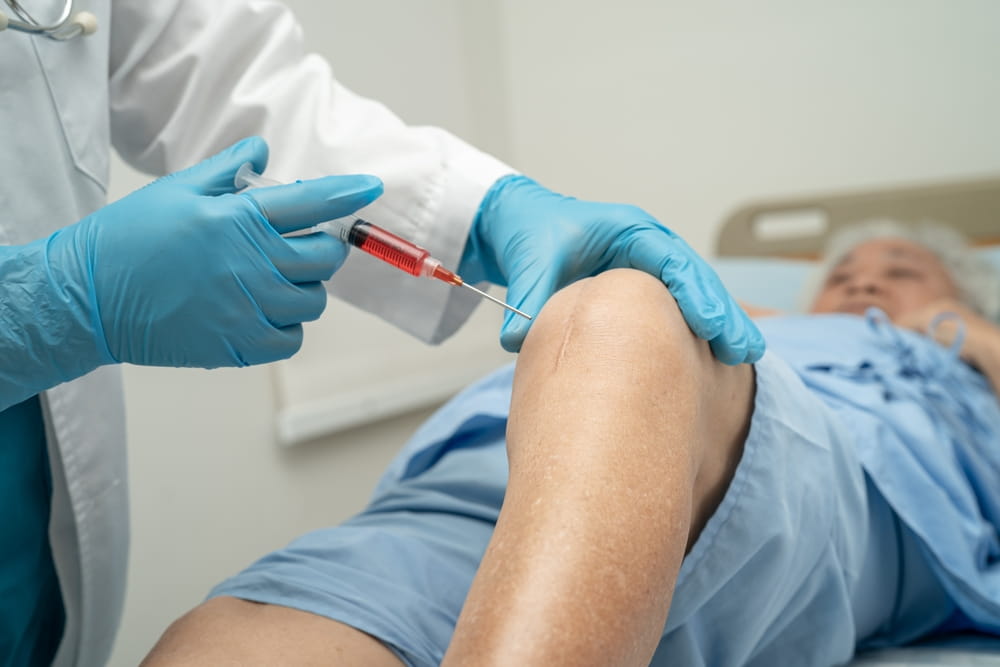
Once prepared, the PRP is injected directly into the affected joint or surrounding tissues. The goal is to stimulate healing in areas that may have limited blood supply, such as cartilage or tendons. Because the treatment uses the patient’s own biological material, the risk of adverse reactions is generally low. The procedure is typically performed in an outpatient setting and does not require extensive downtime.
Conditions PRP Therapy May Address
PRP therapy is commonly used to manage a variety of musculoskeletal conditions, particularly those involving chronic inflammation or mild to moderate tissue damage. It is often considered for patients who have not found relief through conservative treatments like physical therapy or anti-inflammatory medications.
Some of the conditions that may be addressed with PRP therapy include osteoarthritis, tendon injuries, ligament sprains, and chronic joint pain. In the knee, PRP is frequently used for early-stage arthritis or overuse injuries. It may also be applied to the shoulder, hip, or elbow to support healing in soft tissues. While results can vary, many patients report reduced pain and improved function over time.
When PRP Therapy Is Recommended
PRP therapy is typically recommended when non-surgical treatments have not provided sufficient relief but surgery is not yet necessary. It may be particularly appealing for patients who want to delay or avoid more invasive procedures. Individuals with mild to moderate joint degeneration often benefit the most, as the therapy relies on the body’s ability to heal itself.
Doctors may evaluate factors such as the severity of the condition, overall health, and activity level before recommending PRP therapy. It is not considered a cure for advanced joint disease, but it may help manage symptoms and improve quality of life. Patients interested in regenerative treatments often explore PRP as part of a comprehensive care plan.
What to Expect During and After Treatment
The PRP procedure is relatively quick and straightforward. After the blood is drawn and processed, the injection is administered using imaging guidance in some cases to ensure accuracy. Patients may feel mild discomfort during the injection, but the procedure is generally well tolerated.
After treatment, it is common to experience temporary soreness or swelling at the injection site. This is often part of the body’s natural healing response. Patients are usually advised to limit strenuous activity for a short period and gradually return to normal routines. Improvements may develop over several weeks as the healing process progresses.
Benefits and Considerations of PRP Therapy
One of the primary benefits of PRP therapy is its minimally invasive nature. Because it uses the patient’s own blood, the risk of complications is relatively low compared to more invasive procedures. It also offers the potential to address the underlying cause of pain rather than simply masking symptoms.
However, PRP therapy does have limitations. Results can vary depending on the individual and the condition being treated. Multiple injections may be required to achieve optimal outcomes, and not all patients experience significant improvement. Understanding both the potential benefits and limitations helps patients make informed decisions about their care.
PRP Therapy Compared to Other Treatments
When considering treatment options for joint pain, PRP therapy is often compared to traditional approaches such as medications, physical therapy, or surgery. Unlike medications that primarily reduce inflammation, PRP aims to promote healing at the cellular level. Compared to surgery, it is less invasive and involves a shorter recovery period.
In some cases, PRP therapy may be used alongside other treatments to enhance results. For example, patients undergoing rehabilitation may incorporate PRP to support tissue repair while continuing physical therapy. Exploring all available options allows patients to choose a treatment plan that aligns with their goals and lifestyle.
Supporting Long-Term Joint Health
Managing joint pain often requires a combination of treatments and lifestyle adjustments. Maintaining a healthy weight, staying active with low-impact exercises, and following medical guidance can all contribute to long-term joint health. PRP therapy may be one component of a broader strategy aimed at improving function and reducing discomfort.
For those seeking alternatives to traditional treatments, understanding PRP therapy can provide valuable insight into regenerative medicine. At Full Circle Orthopedics, patients in Clearwater and Palm Harbor, Florida often use this knowledge to better navigate their options and take an active role in managing joint health.
Resources
Foster, T. E., et al. (2009). Platelet-Rich Plasma: From Basic Science to Clinical Applications. American Journal of Sports Medicine.
Filardo, G., et al. (2011). Platelet-Rich Plasma Intra-articular Knee Injections for Osteoarthritis. Knee Surgery, Sports Traumatology, Arthroscopy.
Andia, I., & Maffulli, N. (2013). Platelet-Rich Plasma for Managing Pain and Inflammation in Osteoarthritis. Nature Reviews Rheumatology.