
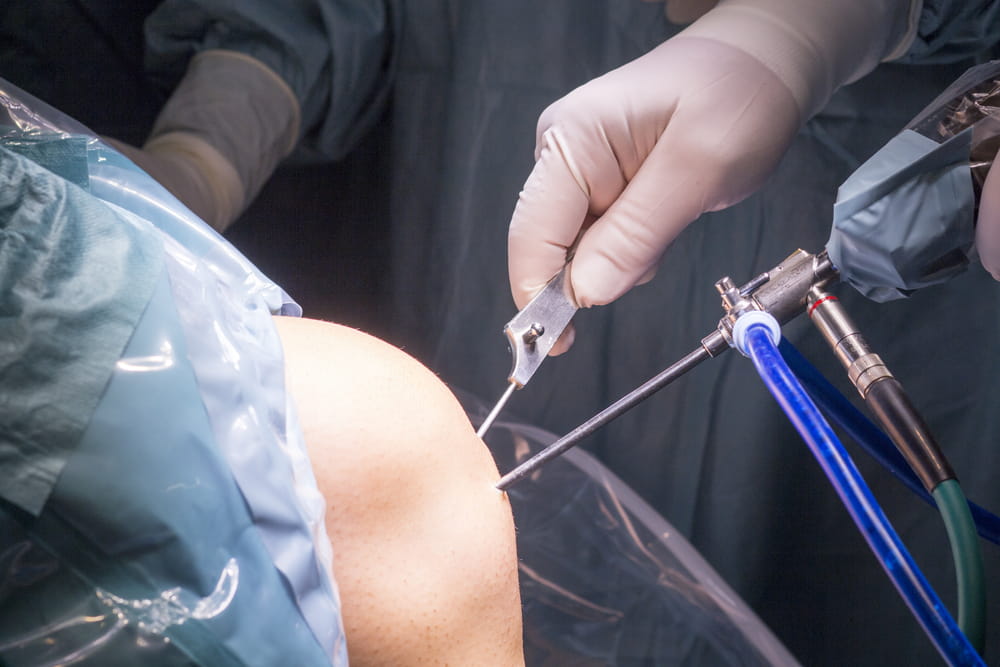
Arthroscopy is a minimally invasive surgical procedure used to diagnose and treat problems within a joint. Instead of making large incisions, surgeons use a small camera called an arthroscope to view the inside of the joint on a screen. This approach allows for greater precision, less tissue disruption, and often a faster recovery compared to traditional open surgery. At Full Circle Orthopedics, patients in Clearwater and Palm Harbor, Florida often explore arthroscopy as an option when dealing with persistent joint pain or injury.
For individuals experiencing ongoing discomfort or limited mobility, understanding arthroscopy can help clarify treatment options. It is commonly used for joints such as the knee, shoulder, hip, ankle, and wrist, making it a versatile tool in modern orthopedic care.
Understanding How Arthroscopy Works
Arthroscopy involves inserting a thin, flexible instrument equipped with a camera into the joint through a small incision. The camera transmits real-time images to a monitor, allowing the surgeon to examine cartilage, ligaments, and other structures in detail. Additional small instruments may be inserted through nearby incisions to repair or remove damaged tissue.
Because the procedure is minimally invasive, it typically results in less pain and scarring than open surgery. Patients often benefit from shorter hospital stays and a quicker return to daily activities. In many cases, arthroscopy is performed on an outpatient basis, meaning patients can go home the same day.
Conditions Commonly Treated With Arthroscopy
Arthroscopy is used to address a wide range of joint issues, particularly when non-surgical treatments have not provided sufficient relief. It is often recommended for diagnosing unexplained joint pain or confirming the extent of an injury.
Some of the most common conditions treated with arthroscopy include ligament tears, cartilage damage, inflammation of the joint lining, and loose bone or cartilage fragments. In the knee, it may be used to treat meniscus tears or damaged ligaments. In the shoulder, it can help repair rotator cuff injuries or address instability. Hip arthroscopy may be used to treat labral tears or impingement.
When Arthroscopy Is Recommended
Arthroscopy is typically considered when conservative treatments such as rest, physical therapy, or medications have not improved symptoms. Persistent pain, swelling, or reduced range of motion may indicate that a closer look inside the joint is necessary.
Doctors may also recommend arthroscopy when imaging tests such as X-rays or MRIs do not provide a complete picture of the problem. The procedure allows for both diagnosis and treatment at the same time, which can streamline care and reduce the need for additional surgeries. Patients who experience mechanical symptoms like catching, locking, or instability in a joint may also be strong candidates.
What to Expect During the Procedure
Before the procedure, patients receive anesthesia to ensure comfort. Depending on the joint and complexity of the surgery, this may be local, regional, or general anesthesia. Once the area is prepared, small incisions are made to insert the arthroscope and surgical instruments.
The procedure itself can vary in length but is generally shorter than traditional surgery. Afterward, the incisions are closed with sutures or small bandages. Patients are monitored for a short period before being discharged, often on the same day. Instructions for post-operative care are provided to support recovery.
Recovery and Rehabilitation
Recovery from arthroscopy is usually quicker than from open surgery, but it still requires proper care and rehabilitation. Patients may experience mild swelling, discomfort, or stiffness in the days following the procedure. Ice, elevation, and prescribed medications can help manage these symptoms.
Physical therapy is often recommended to restore strength and flexibility in the joint. The timeline for recovery depends on the specific procedure and the joint involved, but many patients return to normal activities within a few weeks. Following post-operative instructions carefully can help prevent complications and promote optimal healing.
Benefits and Limitations of Arthroscopy
Arthroscopy offers several advantages, including smaller incisions, reduced pain, and faster recovery times. It also allows surgeons to diagnose and treat joint conditions with a high degree of accuracy. For many patients, it provides an effective solution with less disruption to their daily lives.
However, arthroscopy is not suitable for every condition. Severe joint damage or advanced arthritis may require more extensive procedures, such as joint replacement. Understanding the limitations of arthroscopy helps patients make informed decisions about their care and explore alternative treatment options when necessary.
Exploring Treatment Options for Joint Health
Arthroscopy plays an important role in modern orthopedic care, offering a minimally invasive way to diagnose and treat joint problems. For patients experiencing persistent pain or limited mobility, it can provide both answers and relief. By understanding when arthroscopy is needed and what to expect, individuals can approach treatment with greater confidence. At Full Circle Orthopedics, patients in Clearwater and Palm Harbor, Florida often use this knowledge to better navigate their orthopedic care and take steps toward improved joint function.
Resources
Jackson, R. W., & Dieterichs, C. (2003). The Evolution of Arthroscopy. Journal of Bone and Joint Surgery.
Kim, S., et al. (2011). Arthroscopic Surgery: Indications and Outcomes. Clinical Orthopaedics and Related Research.
Miller, M. D., & Thompson, S. R. (2019). Arthroscopy and Minimally Invasive Orthopedic Surgery. Elsevier.